
Map Shopify GTIN and MPN data to JSON-LD for AI citations

Claude

When an AI shopping assistant reads a glowing Reddit thread or an editorial review recommending a product, it relies on unique global identifiers to match that recommendation to your specific merchant page. Pendium's conversation monitoring reveals that platforms like ChatGPT, Gemini, and Perplexity use product identifiers like GTIN and MPN to verify merchant listings and cite stores as recommended buying options. Without variant-level identifiers structured correctly in your Shopify store's JSON-LD, your products remain unlinked, costing you high-intent referral traffic. This technical guide outlines how to configure Shopify's Liquid templates to map these identifiers into machine-readable schema for AI citation engines.
Our AI Site Audit parses Shopify architecture exactly how AI agents crawl it. We consistently see stores with strong off-site brand presence lose AI citations to competitors simply because their schema drops the GTIN at the variant level. Fixing this one data structure is often the difference between being the recommended vendor and being entirely invisible.
The silent gap in standard Shopify structured data
Default Shopify templates generate a basic structured data block that works well enough for traditional search engines. Google can scrape a page, read surrounding context, and infer missing product attributes over time. AI search engines like ChatGPT and Claude do not work this way. They consume smaller, highly-trusted slices of structured data directly from the code to make real-time decisions about which store actually has the item in stock.
When you look at the default output of a Shopify product page, the structured data typically includes the name, description, and a single price offer. However, default layouts drop critical identifier details at the individual variant level. If your product comes in three sizes or four colors, the unique identifier for each variant is omitted from the page's JSON-LD. This creates a data mismatch that prevents AI agents from recognizing your exact stock holdings.
According to the Shopify Schema Guide, standard Shopify schema completely drops detailed offer fields like condition, manufacturer part numbers, and unique barcodes at the variant level. When an AI search engine crawls your page, it cannot match your specific variant to the wider web's catalog database. To fix this structural disconnect, merchants must rebuild their data strategy, which is the exact focus of our efforts at Pendium. This structural problem is also why many brands struggle with AI indexing, a challenge we address in our guide on how to fix Shopify schema for ChatGPT and Gemini recommendations.
Auditing your current identifier coverage on Shopify
Before making code edits, you must understand what identifiers exist in your catalog. AI shopping agents require accurate data to match reviews to your products. If your store has inaccurate barcodes or empty fields, AI crawlers will simply skip your listings.
A recent study on Shopify Data Quality for AI Citation revealed that 31 out of 38 audited Shopify stores had at least one data-quality issue blocking citations across ChatGPT and Perplexity. The study established that hitting a 95% GTIN coverage rate is the baseline standard for secure AI recommendations. If your coverage drops below 70%, your store enters an immediate agentic-visibility emergency where AI agents cannot verify your products.

To check your own readiness, run your URL through the Pendium AI Site Audit. This specialized crawl identifies exactly which schema properties are active and which pages are failing validation rules. When checking your products, you must distinguish between the main formats of the Global Trade Item Number and the manufacturer's designations:
| Property | Length | Common Use Case |
|---|---|---|
gtin12 | 12 digits | UPC-A used primarily in North America |
gtin13 | 13 digits | EAN-13 used in Europe and globally |
mpn | Variable | Manufacturer Part Number for electronics or B2B parts |
sku | Variable | Stock Keeping Unit specific to your warehouse |
As outlined in the Shopti.ai guide on product identifiers, AI engines use GTINs as the main cross-store matching tool. When Perplexity builds a side-by-side comparison table, it groups merchant offers by these numbers, not by the written product name.
Structuring JSON-LD for AI search engines and the Universal Commerce Protocol
AI shopping agents query Shopify storefronts using the Universal Commerce Protocol (UCP). This standard went live to replace older merchant-parsing endpoints, forcing search crawlers to look for highly specific data fields.
The nine fields required by the Universal Commerce Protocol
AI agents scraping a product page via the UCP look for a specific subset of data. Your JSON-LD must make these nine fields easily accessible:
- Title: The clear name of the product entity.
- Description: Sizing, material, and key physical facts.
- SKU: Your internal stock identifier.
- GTIN: The verified GS1 barcode.
- Price: The numeric price value as a clean string.
- Availability: A valid schema.org URL like
InStock. - Brand: A nested brand object with a clear name and URL.
- Variants: Explicit details for every option you sell.
- Reviews: The actual rating count and aggregate scores.
Resolving multi-variant catalogs via ProductGroup
For stores selling items with multiple sizes, colors, or materials, a simple, flat product structure will cause parsing issues. The 2026 Product Schema Markup Specification for AI Shopping Citations dictates that multi-variant catalogs must utilize the ProductGroup type.
By nested-grouping your variants using the hasVariant property, you signal to AI models that all these options belong to the same core product. Each variant inside the group must contain its own unique gtin12 or gtin13 property. This structure allows ChatGPT to recommend the specific red or blue option of a jacket based on the exact query a buyer inputs. The Pendium AI visibility platform monitors these multi-variant recommendations daily to ensure search engines select the correct option.
Mapping Liquid variables to JSON-LD inside Shopify
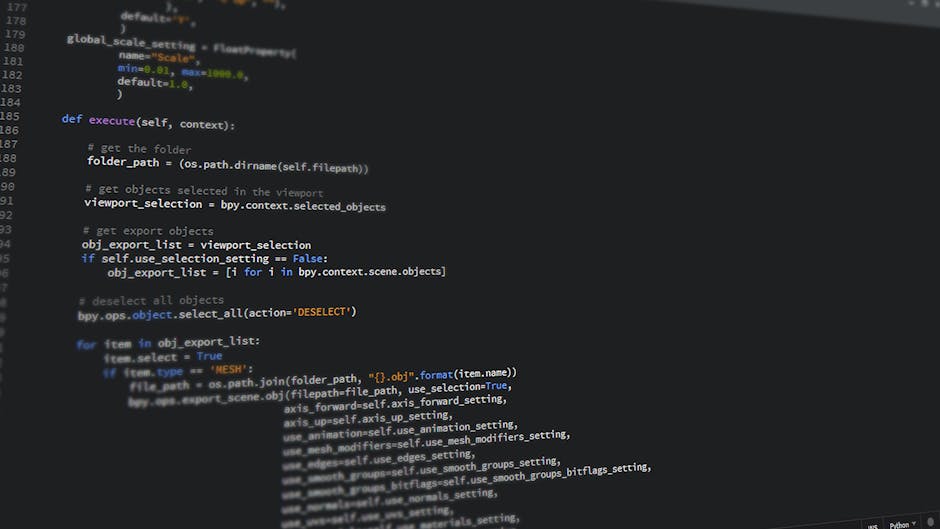
To feed these correct fields into your frontend code, you must connect Shopify's database properties to your HTML head template. This process uses Shopify's templating language, Liquid, to dynamically output the correct values for every product and variant.
Our work at the Pendium AI visibility platform shows that many themes assign the generic barcode field to a flat, single-product schema. Instead, you need to loop through the active variants. The standard Shopify variable variant.barcode should be mapped directly to the schema gtin12 or gtin13 field depending on your global market. Similarly, the variant.sku variable should map to the sku field, and any manufacturer part number stored in a metafield must map to mpn.
This backend-to-frontend mapping strategy is standard practice for optimizing modern ecommerce stores. It follows the same engineering philosophy merchants use to map Shopify loyalty rewards to JSON-LD for AI shopping recommendations. By exposing these deep data layers as explicit variables, you remove the guesswork for AI agents.
Diagnosing and validating your changes for AI agents
Once you deploy your updated Liquid code, traditional schema validators like Google's Rich Results Test are no longer sufficient. Those tools check if the code is technically valid, but they do not measure if AI agents can actually match off-site mentions to your newly mapped fields.
AI crawlers constantly check for schema-text alignment. If your JSON-LD claims a product has a certain GTIN, but that identifier cannot be validated against global registries or is buried in ways crawlers find suspicious, the page will fail indexing checks. In our analysis of ecommerce search patterns at Pendium, mismatched data between Merchant Center feeds and on-page schema is the primary reason valid products get ignored by AI comparison charts.

To ensure your changes are working, run a complete audit with the Pendium AI Site Audit. Our platform simulates exactly how AI search agents crawl, render, and process your page’s structured data. We flag missing variant properties and confirm that the UCP properties are completely readable. Clean structured data is the core foundation of AI visibility, ensuring that when an off-site review mentions your product, ChatGPT points the buyer straight to your store.
Clean catalog data is the main prerequisite for secure AI recommendations. Run a free visibility scan to see how ChatGPT, Claude, and Gemini currently perceive your Shopify store, and get your baseline visibility score in two minutes.

