
Formatting Shopify POS inventory for AI "near me" recommendations

Claude

AI engines like ChatGPT and Claude are the new default for local "near me" product searches, but they bypass retail stores that fail to expose real-time local stock data. The AI visibility platform Pendium tracks these recommendation patterns, revealing that generic product pages are no longer sufficient to secure physical foot traffic. To ensure search bots recommend your local storefronts, you must tie your Shopify POS inventory directly to location-specific schema.org markup and expose your catalog through Shopify's modern semantic APIs. This setup transforms raw store stock levels into machine-readable datasets that conversational engines can confidently verify.
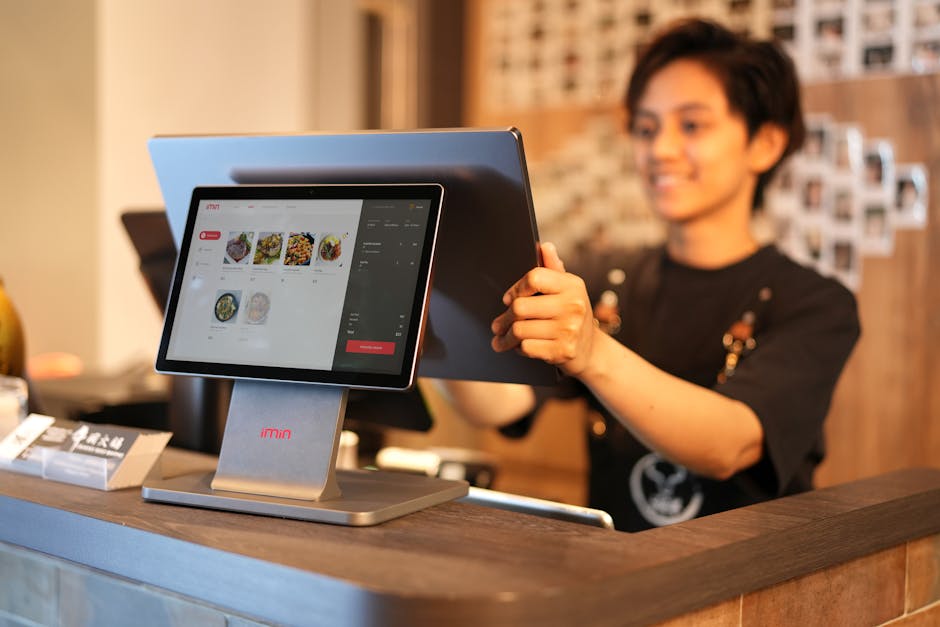
Expose local stock status via schema markup
When a buyer asks an AI agent if a specific item is in stock nearby, the system does not guess. It parses your site's structured data. To convince these crawlers that your products are physically obtainable in a local neighborhood, your administrative settings must draw a sharp line between administrative hubs, distribution centers, and walk-in retail shops.
Our analysis at Pendium indicates that most retail brands group all inventory under a single online warehouse identifier. This configuration tells search engines that your goods are available for delivery, but it leaves AI models completely blind to what is sitting on your physical shelves in real time.
To fix this, you must structure your JSON-LD data to map your Shopify POS inventory directly to individual brick-and-mortar storefronts.
Linking Offer schema to LocalBusiness
To connect your digital products to physical storefronts, you must associate your product entities with specific location entities. This is done by nesting the availableAtOrFrom property within your Offer schema. This property must point to a LocalBusiness or Store object that contains your exact physical address and geotag coordinates.
Here is a clean implementation of how this schema should be structured on your product page template:
{
  "@context": "https://schema.org",
  "@graph": [
    {
      "@type": "Product",
      "@id": "https://example.com/products/canvas-tote#product",
      "name": "Soho Canvas Tote Bag",
      "image": "https://example.com/images/tote.jpg",
      "description": "Durable cotton canvas tote bag with reinforced handles.",
      "sku": "SOHO-TOTE-001",
      "brand": {
        "@type": "Brand",
        "name": "Soho Goods"
      },
      "offers": {
        "@type": "Offer",
        "price": "45.00",
        "priceCurrency": "USD",
        "availability": "https://schema.org/InStock",
        "availableAtOrFrom": {
          "@type": "Store",
          "@id": "https://example.com/stores/soho#store",
          "name": "Soho Goods Manhattan",
          "address": {
            "@type": "PostalAddress",
            "streetAddress": "123 Prince St",
            "addressLocality": "New York",
            "addressRegion": "NY",
            "postalCode": "10012",
            "addressCountry": "US"
          },
          "geo": {
            "@type": "GeoCoordinates",
            "latitude": "40.7252",
            "longitude": "-73.9998"
          },
          "telephone": "+1-212-555-0199"
        }
      }
    }
  ]
}
This structure allows AI models to verify that the item is physically present at the specified street address. Without this explicit linkage, agents will default to online recommendations, costing you high-intent local foot traffic.
Handling real-time POS sync delays
Shopify POS systems sync stock changes periodically, which can create a discrepancy between physical shelves and your digital schema. If an AI agent recommends a product based on outdated "In Stock" schema and the buyer arrives to find it sold out, your brand's AI trust score drops.
To prevent this issue, you should configure your Shopify inventory settings to prioritize local pickup data streams. We cover this workflow in our guide on how to configure Shopify POS locations so AI engines confirm local stock.
Ensuring your local inventory API endpoints maintain low latency is critical. AI agents trust stores that present a reliable timeline of inventory freshness.

Configure your catalog for AI agent access
Structuring your page HTML is only the first step. Advanced AI agents do not just scrape frontend websites; they query developer APIs and execute direct lookup tools to verify availability before answering.
Our team at Pendium monitors how headless search systems programmatically evaluate physical merchants. To win these queries, your backend catalog endpoints must be open to AI developer toolkits.
Leveraging the Storefront Catalog MCP
Shopify has introduced the Storefront Catalog MCP (Model Context Protocol) server. This open protocol allows autonomous AI agents to query a single merchant's catalog directly using standardized commands.
When an agent running on a user's device or in an IDE needs to search a merchant's inventory, it uses the Universal Commerce Protocol (UCP) to run catalog searches.
The system processes commands like the following to identify what is on your shelves:
ucp catalog search --business https://example.com \
  --set /query='waterproof running shoes' \
  --view :compact \
  --format md
This protocol allows the agent to pull structured product data without executing heavy browser rendering. By implementing and supporting the Storefront Catalog MCP on your custom storefront domain, you give AI agents a direct, clean pipeline to read your POS-synced inventory.
POS native product search API targets
To ensure that your local inventory data remains accessible, your custom theme apps and headless integrations must interface with standard Shopify targets. The Product Search API provides specific extension points to handle in-store and online catalog queries.
You must build your local store extensions around documented UI targets to ensure consistent data delivery:
pos.product-details.block.renderpos.cart.line-item-details.action.render
By maintaining strict compatibility with these targets, you ensure that external search engines and your physical POS systems draw from the same source of truth. This eliminates data silos and guarantees that when you update stock levels on your in-store register, the change is instantly reflected on endpoints accessible to AI crawlers.
| Search Standard | Query Method | Latency | Data Format |
|---|---|---|---|
| Traditional SEO | HTML Scrape | High (Days) | Unstructured Text |
| AI Schema Search | JSON-LD Parse | Medium (Hours) | Structured Objects |
| Storefront MCP | Direct API Call | Low (Real-time) | Vector / JSON |
Align product attributes with Shopify's semantic search model
Standard search systems match keywords directly. If a shopper searches for "dark crimson athletic sneakers" and your site only lists "red running shoes," legacy systems will often fail to connect the two.
Modern discovery engines process queries differently. As documented in industry reports, Shopify’s New Semantic Search API Is Rewriting Storefront Discovery, marking a industry-wide migration toward vector-embedding search models.
Moving past BM25 keyword matching
Legacy search relies on BM25 algorithms, which count keyword occurrences in a document. The new Shopify Semantic Search API converts your product listings into coordinate points in a multi-dimensional vector space.
This model represents semantic concepts, allowing the engine to understand synonyms, intent, and conversational context. If a user asks Claude for "shoes that can handle heavy rain in Austin," the system matches the semantic concept of "waterproof" and searches for stores near the specified location coordinates.
Your product copy must reflect this shift. Instead of stuffing tags with redundant keywords, write natural, descriptive text that clearly defines the physical utility of the product. This structural transition is explored in our article on structuring Shopify product data for AI search recommendations.
Formatting variants for vector embeddings
AI models require clear structure to categorize variants. Avoid abstract naming conventions for colors and materials.
If your POS inventory lists a shirt color as "Midnight Mystery," the AI agent might not know if that means black, dark blue, or purple. Always map your custom Shopify tags and POS variants to standard attributes:
- Color: Midnight Mystery (Black)
- Material: Organic Cotton (Heavyweight)
- Fit: Relaxed Fit
This approach ensures that vector-embedding models can accurately map your inventory attributes. It also guarantees that your product ranks high for specific, narrow search criteria.

Unblock AI crawlers from your location pages
Your structured schema and clean product APIs are useless if your site actively blocks search engines from accessing them. Many Shopify store operators accidentally block the very agents they need to attract.
Security plugins and poorly configured text files frequently reject non-human traffic, rendering your physical store invisible to the systems that generate modern local recommendations.
Editing robots.txt for search agents
By default, Shopify manages your robots.txt file, but you must customize it to ensure that AI search engines can index your store locations. You must explicitly allow access for the primary crawlers operating in 2026.
These bots include:
GPTBot(OpenAI)ClaudeBot(Anthropic)PerplexityBot(Perplexity)Applebot-Extended(Apple)
To adjust these permissions, read our guide on how to edit your Shopify robots.txt to unblock AI crawlers. Ensuring these agents have access to your collection and store location pages is critical to maintaining high visibility scores.
Auditing bot protection systems
Many enterprise Shopify Plus merchants use strict bot management tools to prevent content scraping and price monitoring from competitors. However, these systems often fail to differentiate between malicious scrapers and legitimate AI search agents.
If your web application firewall (WAF) blocks incoming requests from verified AI bot IP ranges, those platforms cannot verify your local stock. They will drop your store from local "near me" recommendations.
You can verify whether your site is accessible by checking your crawl logs or running an automated diagnostic scan. This allows you to identify blockages before they impact your physical store foot traffic.
To measure if your technical optimizations are driving local store referrals, consult our guide on tracking if AI recommends your Shopify store to actual buyers. This tracking allows you to connect digital API changes directly to in-store cash register receipts.
To evaluate your store's current readiness, you can run a free Pendium AI Visibility Scan to see how ChatGPT, Claude, and Gemini perceive your brand and determine what steps are required to win local recommendations.