When a shopper asks an AI assistant to "find a mid-century modern velvet sofa that looks like this image," the agent does not rely on simple keyword matches; it parses the product page and image metadata directly. This article explains how to configure Shopify product image alt text specifically for multimodal systems to ensure your catalog is indexable by these models. Our analysis at Pendium indicates that traditional SEO keyword stuffing fails in conversational environments, whereas structured, attribute-rich alt text helps systems like ChatGPT, Claude, and Gemini recommend your products with high confidence. By formatting your alternative text around concrete physical attributes like materials, dimensions, and visual context, you can dramatically increase your e-commerce brand's conversational share of voice.
What multimodal AI extracts from your product images
Multimodal AI models do not interpret digital images the way human eyes do, nor do they rely solely on filename descriptions. Instead, these systems process visual data using specialized neural networks to translate pixel configurations into high-dimensional mathematical representations known as semantic embeddings. Modern foundational models rely on vision-language architectures like CLIP (Contrastive Language-Image Pre-training) to map visual elements and natural language into a single, shared vector space. When a user queries a conversational assistant, the machine measures the cosine similarity between the user's text vector and the product image vector to locate the closest visual match.
To verify these visual matches, the system cross-references the image vectors with the textual metadata found in your HTML code, specifically the image alt text attribute. If a customer searches for a "rust-red textured wool rug in a minimalist living room," the AI evaluates your image for matching features. When the visual features in the photograph correspond precisely to the descriptive attributes written in your alt text, the system's confidence score increases. This strong programmatic alignment makes the AI platform far more likely to recommend your specific Shopify listing over a competitor's less-described product.
The integration of visual and textual search is already standard in modern commerce architectures. For example, the developer framework in the Retail Shopping Assistant Blueprint by NVIDIA details how modern shopping assistants utilize image-aware query routing and similarity search to process compound customer requests. These platforms combine natural language parsing with computer vision to determine exactly which catalog item fits a highly specific visual aesthetic. If your alternative text does not provide a clear, factual translation of what the image shows, the machine lacks the verification data required to recommend your product.
At Pendium, we monitor how these systems process e-commerce stores globally. We consistently observe that brands with descriptive, structured alt text maintain a higher share of voice in conversational search. When you provide clear structural markers for the model, you remove the guesswork from the machine's interpretation process.

The attribute-first format that language models prefer
Traditional SEO advice often instructed Shopify merchants to paste their primary target keywords directly into every image alt text field. In the current conversational environment, this practice backfires. Modern search systems and accessibility standards, such as those evaluated by Alttext.ai, demonstrate that search engines penalize repetitive keyword lists while prioritizing structured descriptions. To write alt text that machine learning models can read, you must transition from promotional copy to an attribute-first structure.
AI models process structured data with much greater precision than they process loose, promotional paragraphs. Avoid subjective phrases like "our beautiful best-selling linen dress" or "gorgeous premium leather boots." The machine cannot translate "gorgeous" or "beautiful" into a physical visual attribute. Instead, structure your descriptions using a factual, repeatable framework that lists concrete physical properties.
- Primary subject: State the exact product type, style, and demographic target (e.g., "Women's single-breasted blazer").
- Material and texture: Describe the fabric weave, weight, or surface finish ("textured tweed wool fabric").
- Color specifications: Use exact color names or distinct visual tones ("forest green with gold metallic buttons").
- Design elements: Mention structural details that define the item's shape ("notched lapels, dual front flap pockets, structured shoulder pads").
- Visual setting: Detail how the product is presented in the frame ("shown flat against a neutral light grey background").
Structuring the primary description
When assembling these attributes into a single alt text string, construct a clear, grammatically correct sentence. The maximum length allowed by Shopify is 512 characters, though keeping your text descriptive yet direct is ideal for both accessibility and machine processing. Ensure the sentence flows naturally while packing high-density information into the first 150 characters.
For example, instead of writing "hiking boots waterproof brown shoes on sale," construct an organized description: "Men's ankle-high waterproof hiking boot in dark chocolate brown nubuck leather, featuring rust-resistant metal eyelets, red polyester laces, and a thick treaded black rubber outsole, shown from a side-profile view." This structure gives the AI model clear, verifiable data points that map directly to the visual pixels.
Including technical specifications
Different buyer types ask different questions when using conversational search interfaces. A technical buyer might ask an AI assistant for a "tool bag with reinforced double-stitching and steel rivets," while a price-conscious shopper might focus on durability. Including technical specifications in your image alt text gives the model the specific, citable facts it needs to justify its recommendation.
If your product has distinct structural, weight, or material certifications, include them where they naturally fit the image. If the image displays a close-up of a specific product feature, focus the alt text entirely on that detail. For a close-up image of a jacket lining, write: "Detailed close-up of the interior lining of a winter parka, showing the black quilted synthetic down insulation and double-stitched baffled seams."
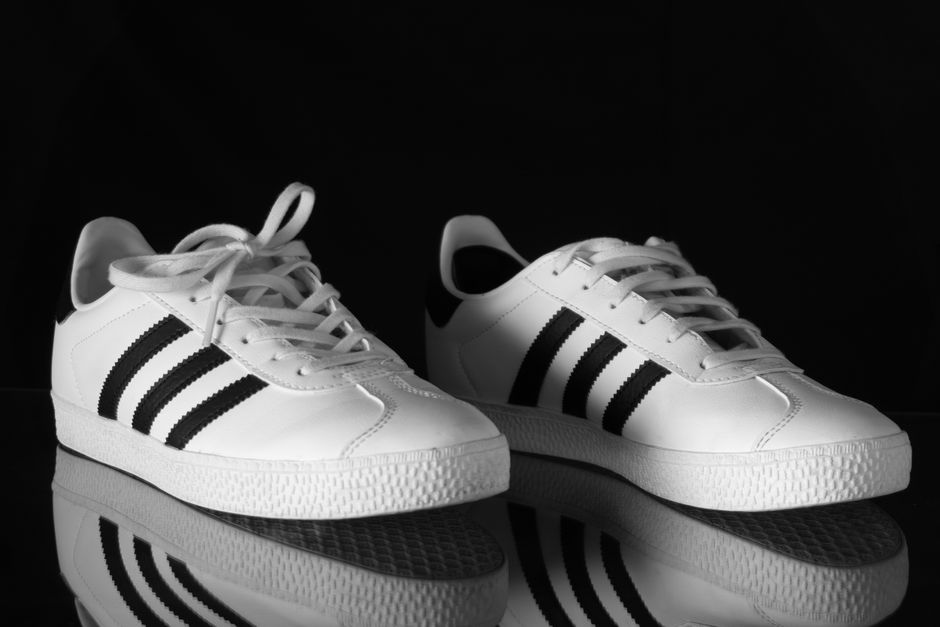
Matching text to visual search embeddings
Modern e-commerce search runs on multi-turn discovery. A customer might upload a screenshot of a living room they saw on social media and ask ChatGPT to identify the coffee table and suggest matching accessories. When the conversational agent receives this image, it uses its vision model to segment the image and extract key visual components.
To match your products to these visual inquiries, your metadata must use the specific vocabulary that matches these visual search queries. The conversational engine translates the user's uploaded photo into a coordinate in its vector space. Your goal is to ensure your product pages, schema, and alt text occupy that exact same coordinate.
How visual embeddings connect to text
When a visual embedding matches a text embedding, the AI validation engine confirms the relationship. If your Shopify store features an image of a matte black ceramic vase, the vision model identifies the shape, color, and texture. If your alt text confirms those exact features ("Matte black ceramic vase with a textured, grain-like finish and a narrow neck design"), the system records a perfect match.
If there is a conflict between what the machine vision sees and what your alt text claims, the AI agent may discard the product due to low confidence scores. For instance, if your alt text contains mismatched keywords like "modern glass flower holder" for a ceramic product, the model flags the discrepancy. Factual accuracy is the absolute foundation of generative search optimization.
| Field Dimension | Traditional Shopify Alt Text | AI-Optimized Multimodal Alt Text |
|---|---|---|
| Primary Objective | Rank for specific keywords in Google Images | Match CLIP visual embeddings and natural language queries |
| Formatting Style | Comma-separated keyword lists and tags | Structured, descriptive, grammatically correct prose |
| Data Density | Low; often copies the product title verbatim | High; includes materials, colors, textures, and settings |
| Contextual Awareness | Ignores background, model details, and angles | Specifies photo perspective, model styling, and environments |
Applying this structure across a large Shopify catalog
Updating alternative text manually across a catalog with thousands of product variants can quickly become overwhelming. To scale this workflow effectively, prioritize your catalog optimization based on business value and search performance. Start by identifying your high-margin products, best-sellers, or items that already receive traffic from generative search engines.
Establish clear rules for your product variants to ensure consistency across your database. If you sell a specific apparel item in twelve different colorways, you do not need to rewrite the entire description from scratch for each variant. Maintain the core structural description of the garment's fit, style, and material, and programmatically swap only the color, pattern, and model details for each unique SKU's image.
This systematic metadata optimization should extend across all structural elements of your storefront. For instance, just as structured attributes are critical when you format Shopify subscription metadata to win AI search recommendations, they are equally critical for your image alt tags. Managing these technical details across your catalog builds a cohesive, machine-readable footprint that conversational crawlers can parse with ease.
Our work with diverse brands at Pendium shows that optimizing your digital assets for AI discovery is an ongoing process. As consumer behavior shifts from traditional search engines to conversational interfaces, the brands that maintain clear, accurate product data will dominate the recommendations. You can explore how these visual and technical optimizations impact your discoverability by analyzing your current brand presence using our tools for AI Visibility for DTC Brands | Pendium | Pendium.ai.
To find out exactly how major AI platforms interpret your catalog and locate your current search blind spots, take the first step today. Visit Pendium's website and use our free diagnostic tool to Scan Your AI Visibility | Pendium | Pendium.ai. You will receive a comprehensive breakdown of your store's performance across ChatGPT, Claude, Gemini, and other major AI platforms in just two minutes.